SELECTING THE RIGHT EQUIPMENT
Whatever your application, selecting the proper equipment for the job is very important. Proper selection along with regular inspection
and maintenance will help keep operating costs minimal while providing long life to each component. Below area general guidelines for
selecting Premier Coupling and Drawbar Eyes. If you feel that your application is unique, please give Premier a call so that we may help
you through the selection process.
Follow there four steps to ensure proper selection of Premier Couplings and Drawbar Eyes.
“Gross Trailer(s) Weight” is usually determined by the Gross Vehicle Weight Rating (GVWR). This information is attached to the trailer
manufacturer.
Environments such as rough uneven roads or off-road use can dramatically increase shock loads to both drawbar eyes and couplings. In
general, increasing the “Gross Trailer Weight” (Step 1:) and “Tongue Weight Capacity” (Step 2:) by a minimum of 25% will be sufficient
for many applications. Even if an application is used off-road occasionally, the minimum increase necessary for Gross Trailer and Tongue
Weight is 25%. Certain types of equipment and/or operating practices can also dramatically increase loads through equipment binding
and/or improper loading practices. Of special concern is high tongue weight. However, each application is unique and every environment
different, therefore your application may require more than 25%.
Once both “Gross Trailer(s) Weight” (Step 1:) and “Tongue Weight Capacity” (Step 2:) have been determined, evaluate your operating
conditions and apply an appropriate margin of safety.
Browse the Premier Product Catalog and refer to the “Specifications” section of each product. Be sure to review the “Understanding
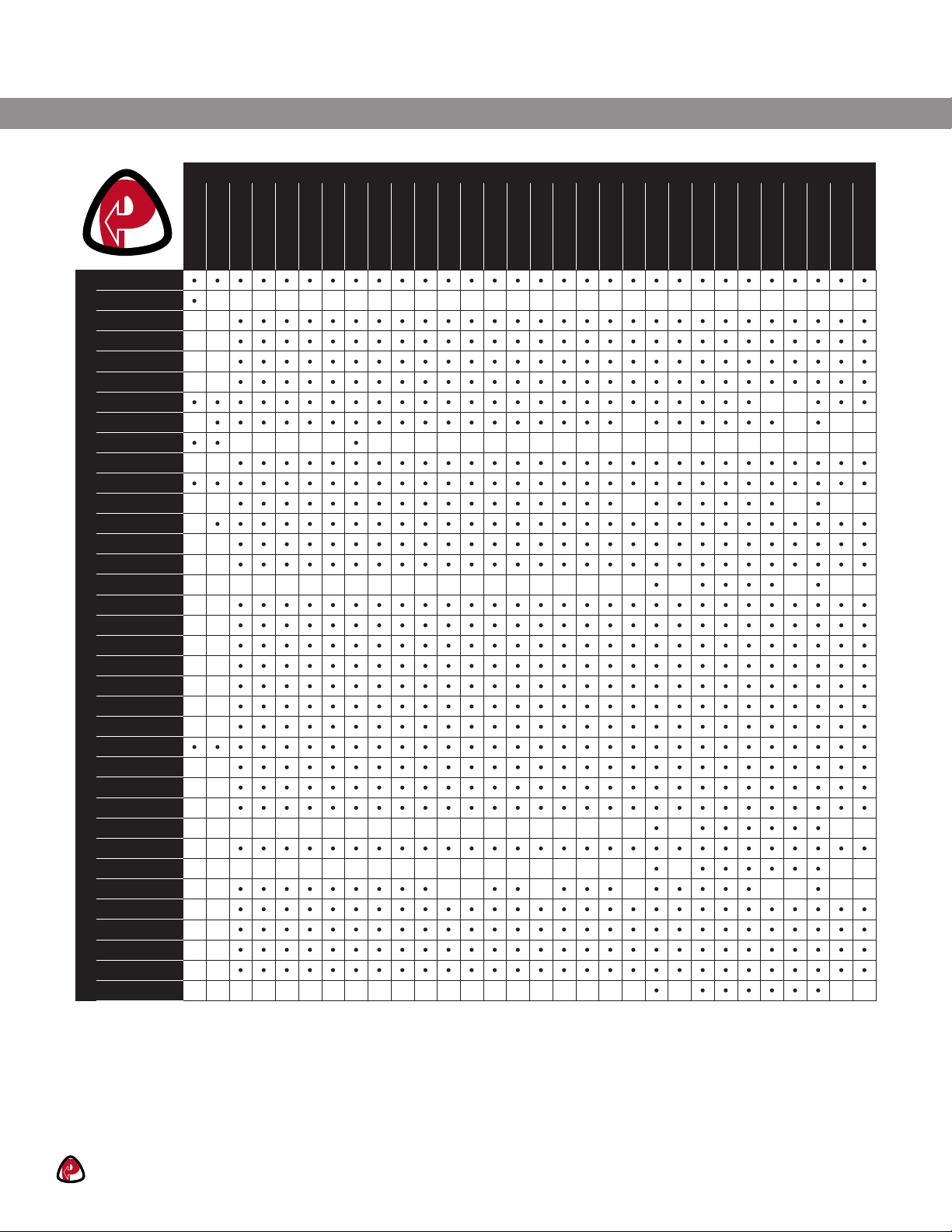
Premier Load Specifications” sections and “Coupling to Drawbar Eye Cross-Reference” sheet on the next couple of pages.
Page 2 1-800-255-5387 • www.premier-mfg.comPREMIER MANUFACTURING COMPANY
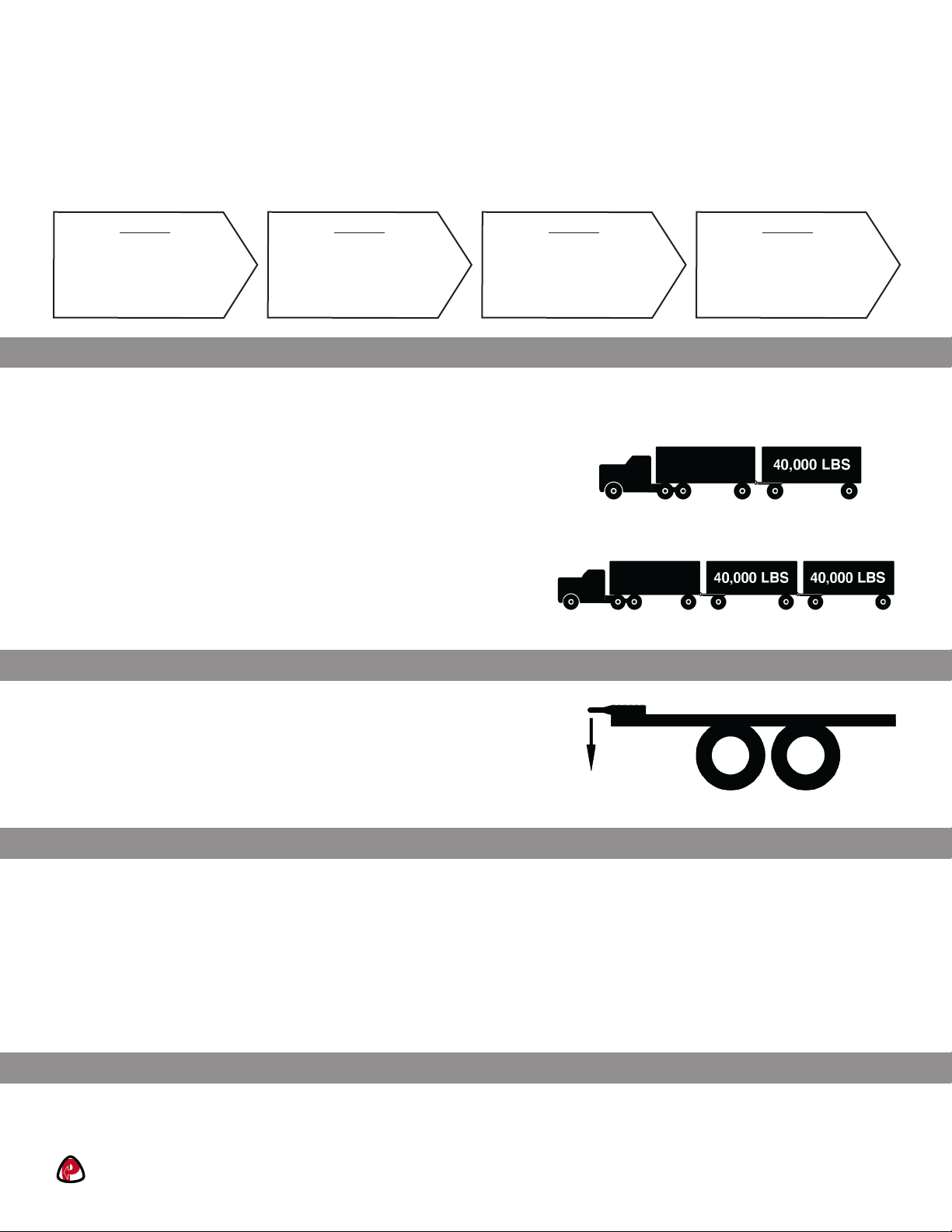
For “Double Trailer” configurations, only the rear trailer is considered when selecting
your Premier Coupling or Drawbar Eye. In this example, a Coupling and Drawbar Eye
with a “Gross Trailer Weight” rating of 40,000 lbs. (18,143 kg) would be the
minimum rating acceptable for normal, over-the-road applications (see Tongue Weight
section below
“Tongue Weight Capacity” is the maximum expected weight at the drawbar eye. Of a
hinged drawbar is used, the maximum weight will be approximately 1/2 the overall
drawbar weight. If a non-hinged drawbar is used and the actual tongue weight is not
known, you can approximate the weight by multiplying the GVWR of the towed trailer
by 15%. However, each application is unique and the best practice is to weight the
tongue when the trailer is loaded to GVWR.
For “Triple Trailers”, only the two most rearward trailers are considered in selecting
your Premier Coupling or Drawbar Eye. In this example, a Coupling and Drawbar Eye
with a “Gross Trailer Weight” rating of 80,000 lbs (36,287 kg) would be the minimum
acceptable for normal, over-the-road applications. (see Tongue Weight section below).
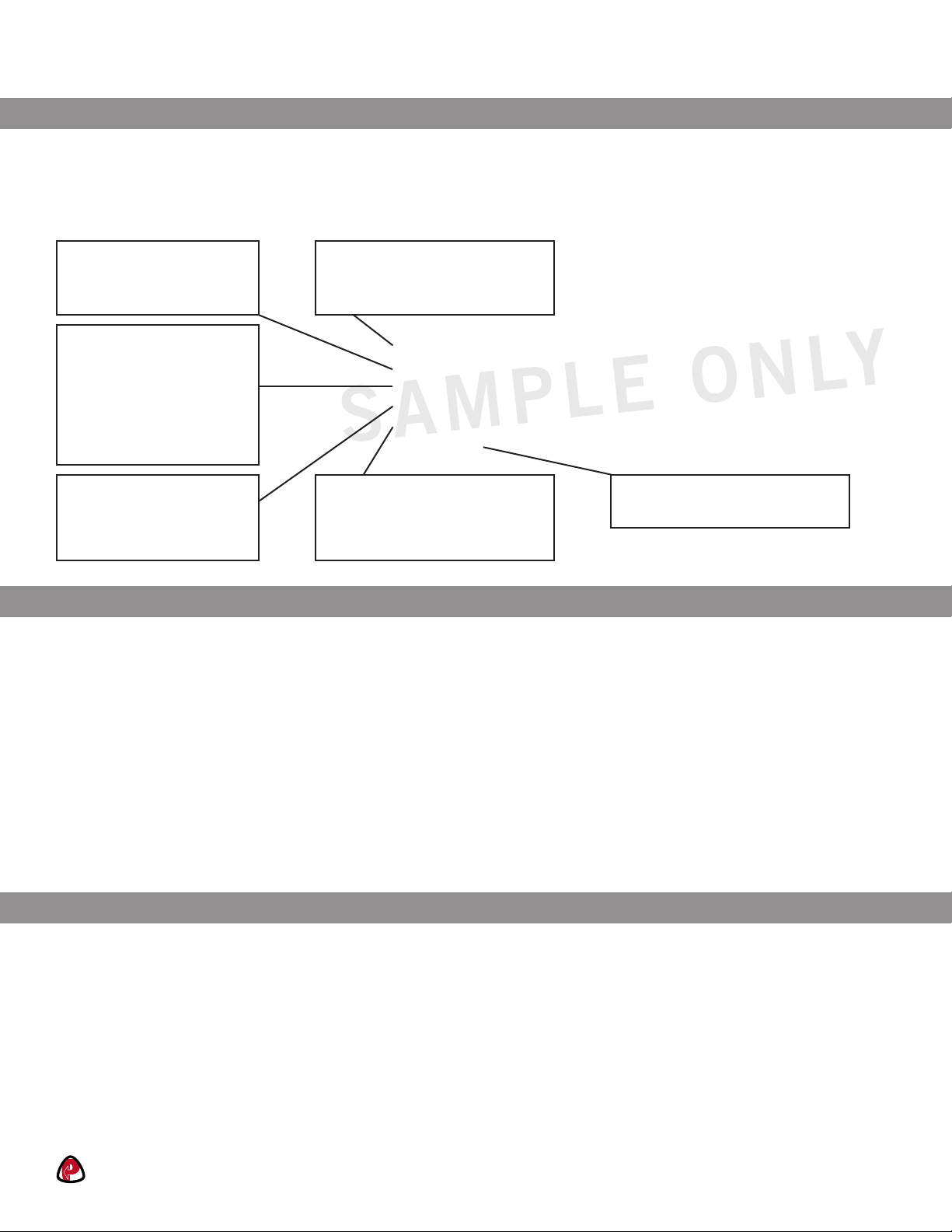
STEP 1:
Determine “Gross
Trailer(s) Weight”
(GVWR(s) of towed trailers)
STEP 2:
Determine “Tongue
Weight Capacity
(Maximum occurring
tongue weight)
STEP 3:
Add Margin of Safety
(Dependent upon your
equipment and operating
environment)
STEP 4:
Browse Premier
Product Catalog
(Based on Steps 1-3)
STEP 1: Determine “Gross Trailer(s) Weight”
STEP 3: Consider Operating Conditions and Environments
STEP 4: Browse Premier Product Catalog
STEP 2: Determine “Tongue Weight Capacity”
Double Trailer Configuration
Triple Trailer Configuration
Example only, each application may vary and should be considered unique.
Example only, each application may vary and should be considered unique.